Water damage is one of the most common reasons buildings require costly repairs. Even small amounts of moisture entering a structure can gradually weaken concrete, corrode reinforcement steel, damage finishes, and encourage mould growth. This is why Waterproofing Chemicals have become an essential part of modern construction.
Whether constructing a residential tower, commercial complex, basement, terrace, or industrial facility, proper waterproofing extends the life of the structure and reduces maintenance requirements.
For projects across Mumbai, where heavy monsoon rainfall and coastal humidity create constant moisture exposure, waterproofing should be considered from the earliest stages of construction rather than as an afterthought.
Why Waterproofing Matters
Concrete may appear solid, but it naturally contains microscopic pores that allow water to penetrate over time.
Without suitable protection, moisture can cause:
- Cracks to widen
- Steel reinforcement corrosion
- Surface deterioration
- Paint peeling
- Damp walls
- Reduced structural durability
Proper waterproofing helps minimise these risks and preserves the building's long-term performance.
Where Waterproofing Chemicals Are Commonly Used
Modern construction uses waterproofing solutions in many different areas.
These include:
- Roof terraces
- Basements
- Water tanks
- Bathrooms
- Balconies
- Retaining walls
- Foundations
- Swimming pools
- Podiums
- External walls
Different locations require different waterproofing technologies depending on movement, exposure, and water pressure.
Types of Waterproofing Chemicals
Several categories of waterproofing products are available for different construction applications.
Some commonly used options include:
- Cementitious waterproof coatings
- Liquid waterproof membranes
- Integral waterproofing compounds
- Crystalline waterproofing systems
- Polyurethane coatings
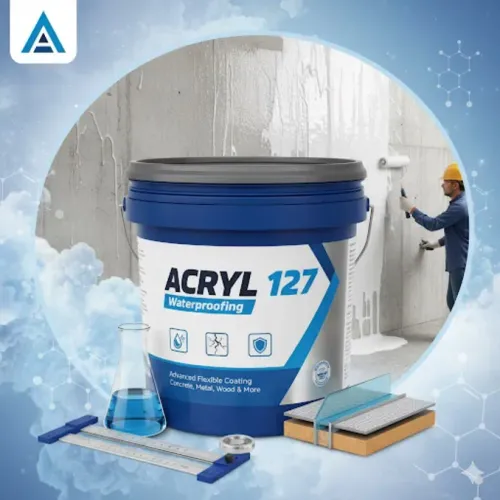
- Acrylic coatings
- Waterproof sealants
Selecting the correct system depends on the project design and site conditions.
Benefits of High-Quality Waterproofing
Using appropriate waterproofing chemicals provides several advantages.
Improved Structural Life
Protection against moisture reduces long-term deterioration.
Lower Repair Costs
Preventing leaks is generally less expensive than repairing water damage later.
Better Indoor Environment
Waterproof buildings reduce dampness and help maintain healthier indoor spaces.
Protection Against Corrosion
Keeping moisture away from reinforcement steel slows corrosion and maintains structural integrity.
Higher Property Value
Buildings with effective waterproofing generally require less maintenance and retain their condition for longer.
Common Waterproofing Mistakes
Many water leakage problems occur because of incorrect application rather than poor materials.
Some common mistakes include:
- Applying waterproofing on poorly prepared surfaces
- Ignoring construction joints
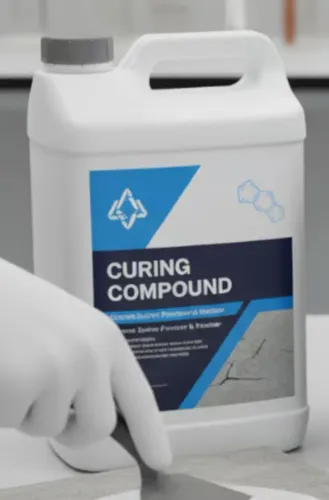
- Inadequate curing
- Choosing unsuitable products
- Poor detailing around pipes and drains
- Skipping quality inspections
Following manufacturer recommendations and proper installation procedures helps achieve better results.
Waterproofing Challenges in Mumbai
Mumbai experiences heavy seasonal rainfall along with high humidity throughout much of the year. Buildings also face salt exposure due to the coastal environment.
These conditions increase the need for reliable waterproofing systems capable of protecting concrete from repeated wetting and drying cycles.
Construction professionals therefore often prefer products that have demonstrated consistent performance under demanding environmental conditions.
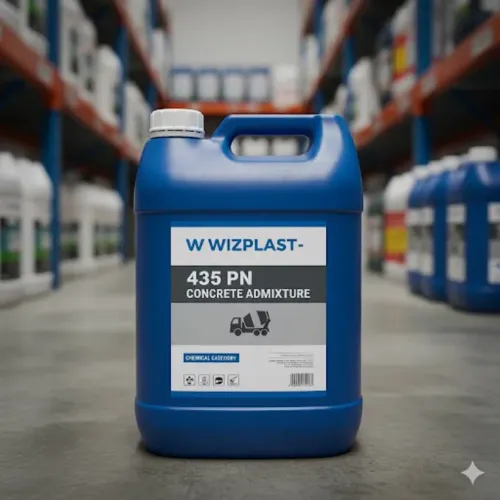
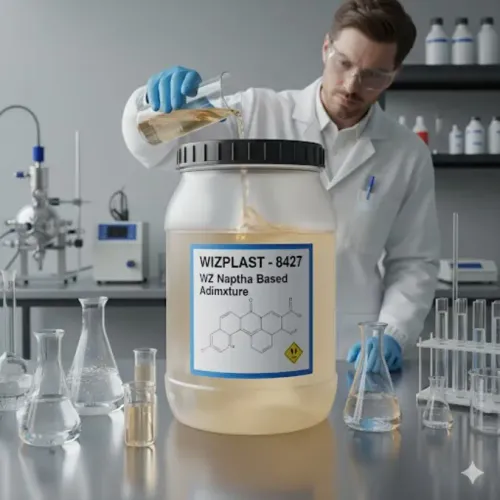
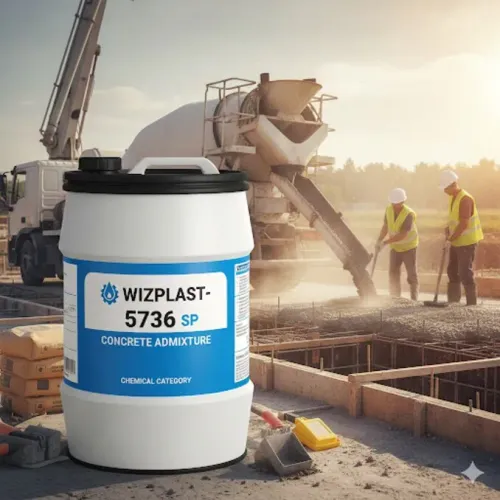
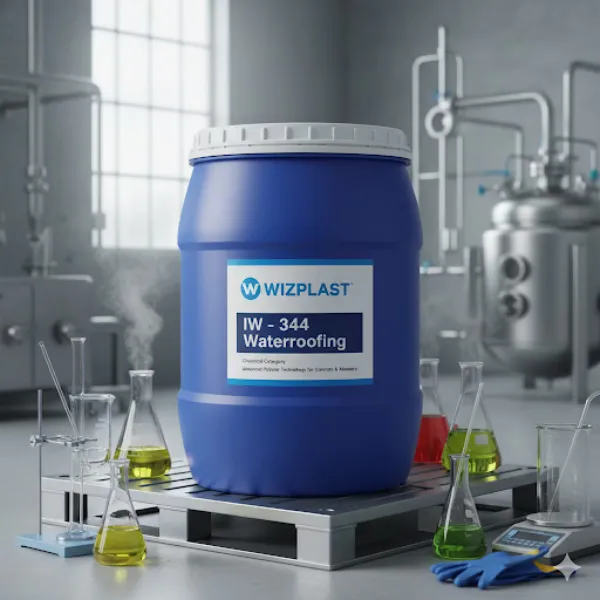
Manufacturers such as Wizplast Chemicals Pvt. Ltd. supply waterproofing solutions that support a wide range of residential, commercial, and infrastructure applications while helping contractors meet project quality requirements.
Making Waterproofing Part of Construction Planning
Rather than treating waterproofing as a finishing activity, it should be integrated into the overall construction strategy.
Selecting suitable Waterproofing Chemicals, following recommended application practices, and using quality products can significantly reduce future maintenance while improving building durability.
Investing in effective waterproofing today helps protect structures for decades to come.
Keywords